A Brief History Of Self Emptying Robot Vacuum For Pet Hair In 10 Milestones
Self Emptying Robot Vacuum For Pet Hair If you have pets, a robot vacuum that has a large dust bin can be a great choice. It can hold a large amount of pet hair. Choose a vacuum with an object avoidance feature that can detect and avoid everyday objects such as socks, cables and toys. What is an automated robot vacuum cleaner? Self-emptying robotic vacuums are an instrument for floor cleaning that automatically empties the debris into its docking stations. The docking station has dust bags that collect the pet hairs, dirt and other debris that the robot gathers as it cleans. Once the dust bag is full, simply take it off the base station and replace it. This feature removes the need to empty a robot's onboard dust bin after every use, saving you time and energy. best robot vacuum for pet hair self-emptying robotvacuummops.com stops dander from escaping the vacuum's dustbin and escaping into the air, which is beneficial for families with allergies to household items. The design of your house and the flooring you choose will determine if you should purchase an automatic vacuum that self-empties. If your house has carpeting throughout, you'll want to choose the right robotic vacuum that has enough power to be able to clean it thoroughly. In other words, you may be required to clean your floors on a regular basis. If you have pets in your home, you'll also want to choose one that is equipped with advanced navigation technology. This will allow you to keep your floors clean as well as other problems. Certain self-emptying robotic vacuums can be programmed to empty their trash bins onboard into the docking station automatically after a predetermined number of minutes. This means that you don't need to do it manually every time. It is important to keep in mind that the process of emptying robot vacuums can be quite loud. It's also important to check the wheels and brushroll of your robot vacuum frequently for pet hair. This could affect your robot's ability thoroughly clean your home. It can also block the filter and reduce its suction power. Fortunately, the majority of robots have easy-to-clean wheels and brushes that can be easily removed and cleaned with warm water. Jodhaira Rodriguez is an analyst for product reviews in the Good Housekeeping Institute's Cleaning Lab. She has tested dozens floor-cleaning devices, including vacuum mop combination devices and robot vacuums. She has personally tested all self-emptying robots in this roundup. How does a self emptying robot vacuum work? 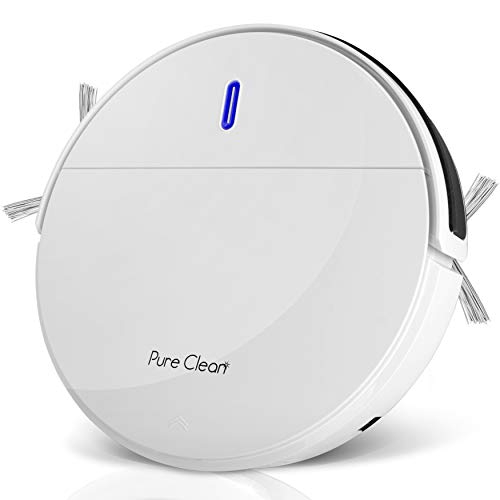 Self-emptying is among the latest innovations in robot vacuum designs. It eliminates one of the major drawbacks of most robotic vacuums: the need to empty their small dust bin after every cleaning session. Instead, most models with self-emptying dustbins have a docking station that incorporates an enormous vacuum cleaner bag and the robot is designed to empty its own waste into this larger bin. The process is usually automated and happens when the robot returns to its dock to recharge and can be done while you're doing anything else. The best self-emptying robots are typically equipped with a number of useful features, in addition. Many robots can be controlled by an app that works with your smartphone. You can create schedules and adjust settings, as well as see a live feed from the camera of the robot. Some models can automatically detect changes in flooring, such as switching from bare to carpeted floors, and then adjust cleaning modes in accordance with the changes. These machines also have advanced features, such as attachments, mapping, and quiet modes. Self-emptying machines are usually expensive however, and might not be a good investment for everyone. Before making a purchase it is essential to look at the advantages and other aspects that come with this type of robot vacuum. A self-emptying robot cleaner can be a wonderful addition to any home that requires a little extra help with keeping it spotless. It can save time for people who work full-time and do not have the time to stop during their daily chores and empty the dustbin on board. It could also be able run your robot cleaner more frequently. This is a small step towards the ultimate goal of having a completely hands-free cleaning machine, however it's a good start. What are the advantages of a vacuum robot that can self-empty? For pet owners, self-emptying robot vacuums provide a variety of benefits. They can eliminate the necessity of emptying your robot frequently, so you don't have to fret about running out bin space or squatting over it. It's also great that you can schedule your robot to do its job without interference. The streamlined process of emptying the base and replacing the bag can also decrease dust blowback, which is particularly beneficial for those suffering from allergies. Additionally self-emptying robots generally have a larger base than a standard charging dock, which means that it will be able to hold a greater amount of dirt and other debris. This can reduce the spread of allergens in your home. This is particularly important if you have pets. The longer runtime of a self-emptying robot could also be beneficial for pet owners, as it allows the robot to clean more thoroughly in each cleaning cycle. A self-emptying robot will also cut down on the amount of time you devote to maintenance. Instead of having to empty the bin on board often, you'll just need to empty the base every few weeks or more often. This can be an immense benefit for busy parents, professionals as well as those who live a busy life and struggle to find time to complete their regular chores. It's important to remember that self-emptying robotic vacuums don't provide a magical solution to your cleaning issues. Even the best robot vacuums can become stuck under furniture or even on thresholds. They can also get blocked or snag on shoes, clothing or chargers for phones. While a self-emptying machine will free up a bit of your time, you'll still have to perform the traditional vacuuming of those difficult to reach nooks and crannies. Self-emptying robots can be quite noisy, and some pets may be afraid of the sound and movement of the machine. Introduce them slowly and allow your robot to be accustomed to the noise and movement as you move it around the home. What are the negatives of a self emptying robot vacuum? Robot vacuums that self-empty bases take a lot of the stress out of cleaning. Instead of having to pause during the cleaning process to empty the onboard dustbin you can set it and forget it. They are an excellent option for those with an active schedule and have to keep their house clean while juggling children, work and other tasks. A self-emptying vacuum is not the ultimate in convenience. You must empty your robot vacuum frequently. The onboard storage of most self-emptying robot vacuums are small, which means they have to be cleaned more frequently than conventional models. This is especially true in households with a lot of pet hair and other debris that builds up quickly. Some even require to be emptied every two or three cleaning cycles. Another issue with robot vacs is that they can sometimes get stuck or tangled up on objects, which require human intervention to solve. While certain models claim to have sensors technology that allows them to avoid obstacles however this isn't always case in reality and they may still be entangled by things like shoelaces, cords and stray toys, preventing them from completing their task. The other big downside of self-emptying robots is that they're usually fairly expensive, which is an issue for those on tight budgets. They also require docking stations that is difficult to fit into smaller homes. It's also important to consider whether the added functionality of a self-emptying robot vacuum is worth the extra expense. Make sure the model you're considering has a large bin that will handle the needs of your household. Also, be sure to look for other convenient features like Wi-Fi and smart house connectivity. It's also important to know if any members of your family suffer from allergies. The use of a large vacuum bag could reintroduce dust into the surrounding and trigger asthma and other respiratory issues. It's recommended to find models that allow you to set no-go zones, which will stop the robot from entering your workplace or coming too close to old rugs. Some older models require installation of strips, whereas the latest models allow you to designate “no-go” areas using their apps.